
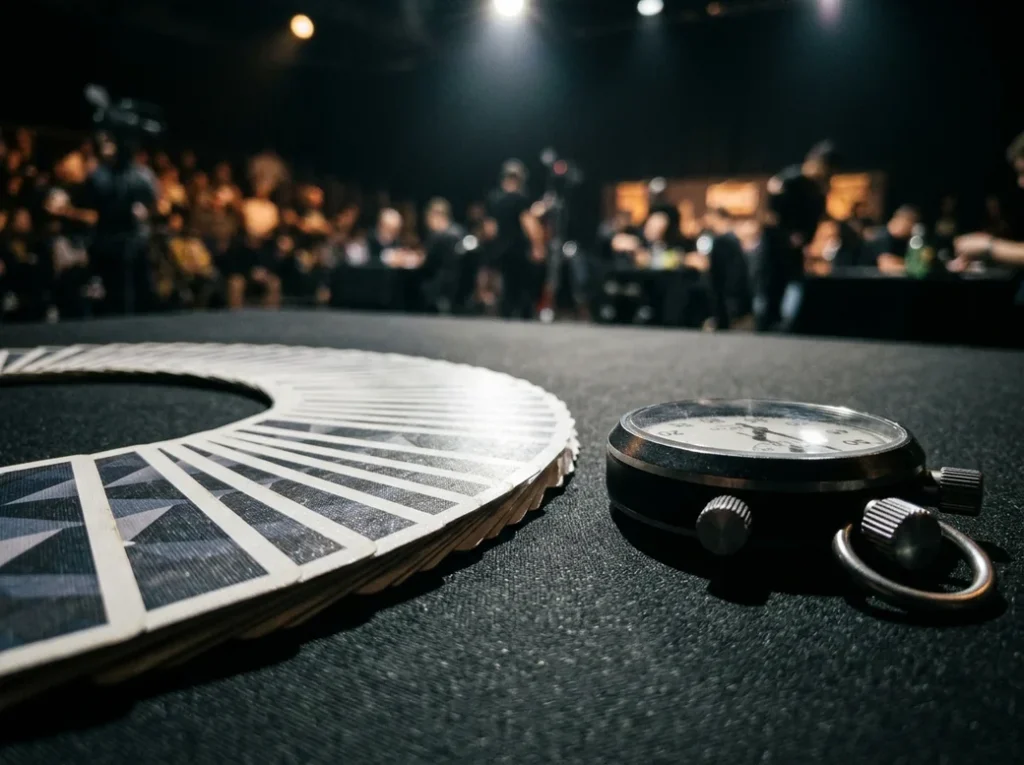
1. Introduction & Core Idea
For years, memorizing a deck of cards meant placing one image per card (52 scenes) or using PAO (18 scenes of 3 cards). Top world champions pushed Speed Cards under 20 seconds by jumping to 2-card systems, where two cards instantly form a single picture.
A 2-card system maps every possible ordered pair of two cards (52 x 52 = 2,704 combinations, or 1,352 base objects modified by a Red/Black rule known as Shadow) into a single instant visual image. A full 52-card deck requires only 26 clean images.
2. History & How It Works
Early pioneers like Ben Pridmore developed the Ben System for binary and 2-card reading. Later champions including Alex Mullen, Simon Reinhard, and Shijir-Erdene Bat-Enkh refined 2-card and Shadow card libraries to break 20-second barriers.
You read cards two at a time instead of one by one. Using pre-learned suit-pair vowels and value consonants, the pair "Queen of Spades + 7 of Hearts" triggers one immediate noun or mini-character. Dropping 26 images onto 13 two-item spots lets your eyes glide through the pack twice as fast.
3. Step-by-Step Visual Guide
Set Up the Core System
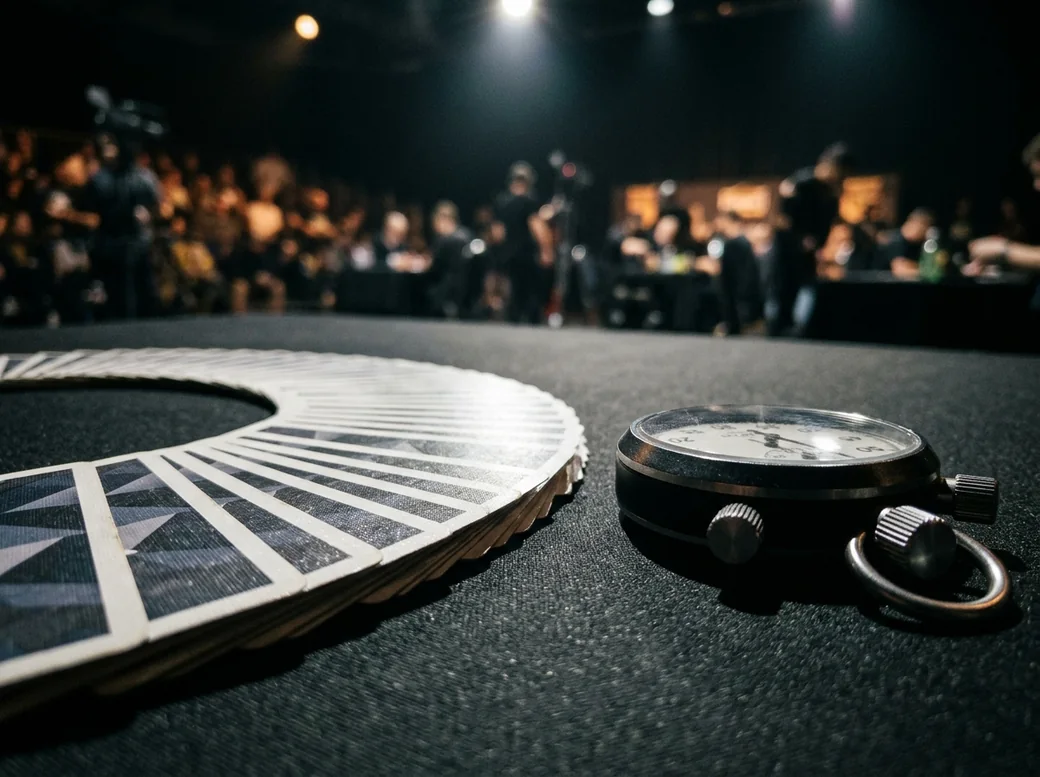
Master a single-card or PAO system first Compete cleanly with a simpler system before taking on the study time required for thousands of card pairs.
Choose either 2,704 fixed images or a 1,352 Shadow setup Shadow doubles efficiency by halving the image dictionary using color rules between the first and second card.
Encode, Walk & Test Recall

Map suit combos to vowels and card values to consonants Use phonetic formulas (such as Ben System or Alex Mullen’s spreadsheet structure) so pairs sound out recognizable words.
Drill pure card-pair flashcards before timing full decks Practice turning two physical or screen cards into an image in under half a second.
5. Advantages vs. Limitations
Why Use 2-Card System
- Cuts eye-scan stops and Memory Palace length in half compared to single-card encoding.
- Replaces triple-part grammar blending with single pure objects at world-record speeds.
Where It Has Limits
- High upfront setup time (weeks or months of flashcard review) makes it best for serious competitors rather than casual learners.
6. Training & Common Mistakes
Review random chunks of 200 card pairs daily on digital flashcard trainers until recognition feels automatic without thinking of rules.
Sources & References
- Mullen Memory: Why Switch to a 2-Card System: Alex Mullen’s breakdown of 2-card speed benefits
- Art of Memory Wiki: Card Systems: Comparison of 1-card, PAO, and 2-card systems